Author name: faridnoori.afg@gmail.com

Right

Herat Mourns: A Tragedy That Reminds Us of Our Humanity

April 10, 2026 Today, Herat woke up to grief. In a heartbreaking incident in the Injil district, innocent civilians lost their lives in a sudden act of violence. Families were shattered in moments. People who had plans for tomorrow, who were part of someone’s everyday life, are no longer here. It’s difficult to process something like this. Not just because of the numbers, but because behind every number is a story — a father, a mother, a child, a friend. This wasn’t just an “incident.” It was real people. Real pain. In times like these, words often feel small. Nothing we say can truly ease the loss. But silence isn’t the answer either. Because if we stop feeling, if we stop caring, then we lose something even bigger than what was taken today. We live in a world where almost everything has a price. But humanity doesn’t. Kindness costs nothing. Compassion costs nothing. Standing with each other, even in words, costs nothing. And yet, moments like today remind us how rare these simple things can feel when they are needed the most. Herat is not just a place on a map. It is a city of history, culture, and people who deserve peace. What happened today is a reminder that violence doesn’t just take lives — it leaves behind wounds that stay for years. As we move forward, we should not let this become just another headline that fades away. We should remember. We should care. And in whatever way we can, we should choose humanity. Today, Herat mourns. And today, we are reminded — being human costs nothing, but means everything.

Technology

The Dark Side of Technological Gaps in the 21st Century: A Personal Story from Afghanistanhttps

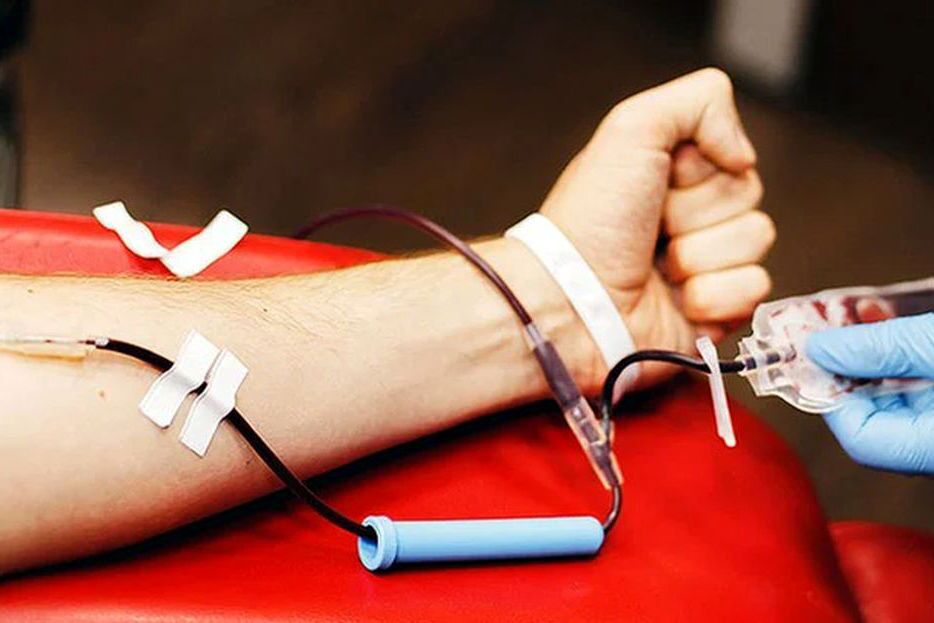
The Dark Side of Technological Gaps in the 21st Century A Personal Story from Afghanistan In the age of artificial intelligence, self-driving cars, and space tourism, it is heartbreaking to witness how countries like Afghanistan are still struggling with the most basic technological infrastructure. While the rest of the world races into the future, many Afghan families are being left behind in darkness — a darkness not of tradition, but of neglect. I know this firsthand. I almost lost my cousin to blood cancer — not because there wasn’t treatment, but because we couldn’t find the blood he desperately needed. There was no centralized Blood Bank Management System (MIS), no app, no digital service where we could connect with donors quickly. We relied on frantic calls, word-of-mouth, and luck. In this century, it should not be about luck — it should be about systems. The Harsh Reality In developed countries, technology is saving lives every day: Automated blood bank systems track donor types and availability. Real-time alerts connect patients to registered donors within minutes. Hospitals have integrated databases for urgent and organized response. But in Afghanistan, we still face: No nationwide donor database No digital system for tracking or requesting blood No technological awareness or access for most rural clinics This isn’t just about blood — this is about how technology could solve real problems but simply isn’t being used. A Country Left in the Dark In rural Afghanistan, most hospitals still rely on paper files. Power cuts are common. The internet is weak or unavailable. In emergency cases, families have to beg for help on Facebook groups or drive for hours just to ask around. People die — not because their condition is untreatable, but because they can’t be reached on time. It’s not just a technology issue. It’s a human rights issue. A Simple System Could Save Thousands Imagine if there was a simple app — even something like WhatsApp integrated with a blood donor database. You enter a blood type and location, and within minutes nearby donors are notified. This isn’t science fiction. This exists in many countries. But it doesn’t in Afghanistan — and people are dying because of it. What stops us? Lack of government investment in health tech No education or awareness around digital systems Poor internet infrastructure and data security No private sector incentives for tech in healthcare A Call to Innovators, Donors, and the Afghan Diaspora If you’re reading this — and you work in tech, healthcare, or international development — I urge you to think beyond your bubble. Countries like Afghanistan need simple, smart solutions. Not billion-dollar AI platforms — just working systems that help us track donors, notify hospitals, and save lives. I lost my cousin because of this failure. I don’t want others to experience that same pain. Let’s not let Afghanistan stay stuck in the shadows of the third digital generation. Let’s bring light where it’s needed the most.

Right

A Silent Scream: The Plight of Women in Afghanistan

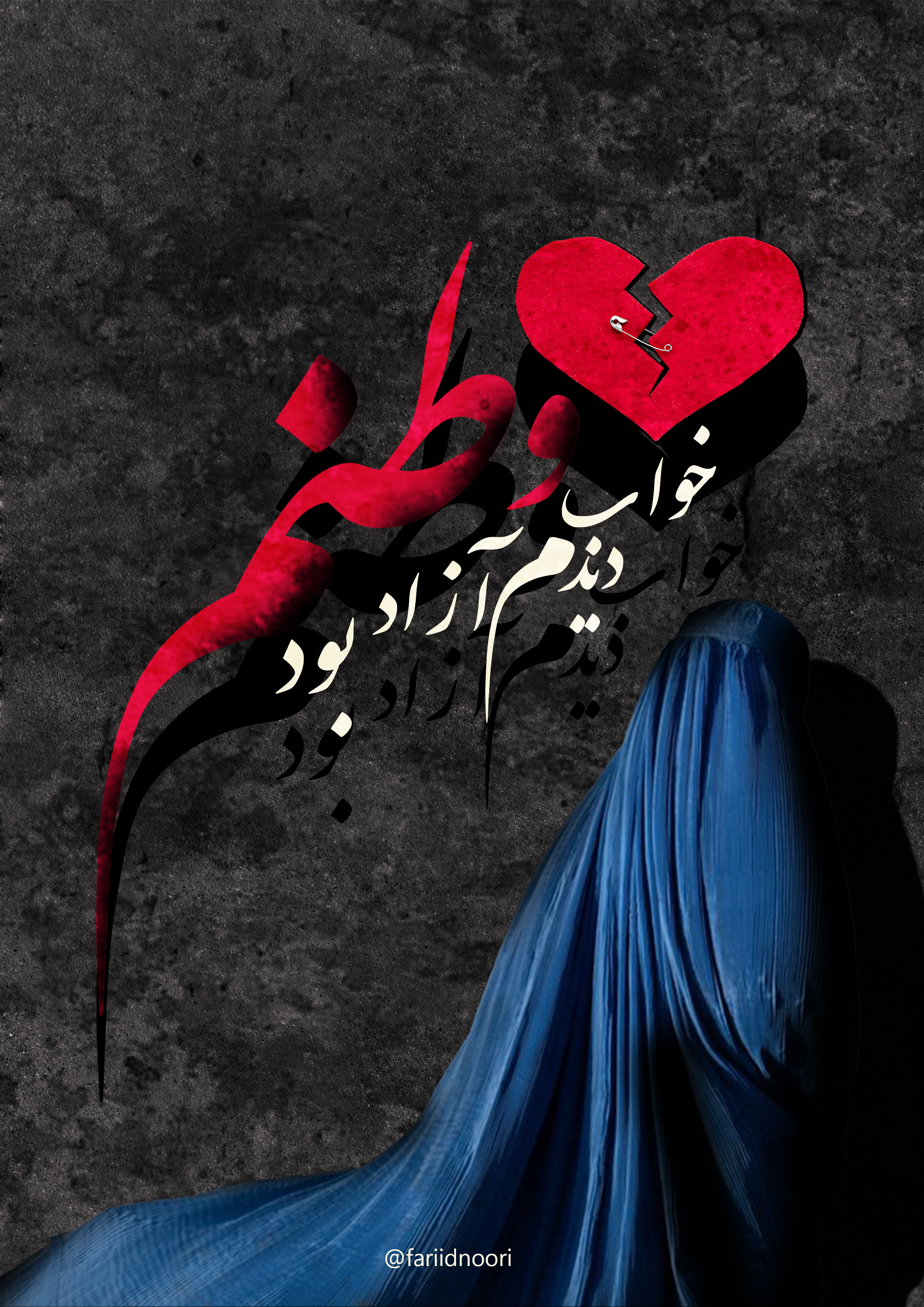
A Silent Scream: The Plight of Women in Afghanistan In the rugged, beautiful, yet often brutal landscapes of Afghanistan, a profound tragedy unfolds daily for its women. Far from the global spotlight, their lives are marked by a systemic erosion of fundamental human rights, a suffocating absence of opportunity, and practices that reduce them to commodities rather than individuals. This is not merely a tale of hardship, but a desperate cry for justice from a population silenced and marginalized. In the rugged, beautiful, yet often brutal landscapes of Afghanistan, a profound tragedy unfolds daily for its women. Far from the global spotlight, their lives are marked by a systemic erosion of fundamental human rights, a suffocating absence of opportunity, and practices that reduce them to commodities rather than individuals. This is not merely a tale of hardship, but a desperate cry for justice from a population silenced and marginalized. For Afghan women, the very concept of “rights” has become a cruel mirage. Stripped of their agency, their voices are unheard, their opinions dismissed. The promise of equality, a distant echo from a different world, has never truly materialized. Every aspect of their lives, from their movement outside the home to their ability to make personal choices, is dictated by restrictive interpretations of tradition and power dynamics that overwhelmingly favor men. This pervasive lack of autonomy leaves them vulnerable, with little recourse against injustice or abuse. Perhaps one of the most heartbreaking dimensions of this crisis is the systematic denial of education. For a generation of girls, the doors of schools remain firmly shut, often locked by decree. The vibrant dreams of learning, of intellectual growth, of contributing to their society, are cruelly extinguished before they can even take root. An uneducated populace, particularly its female half, is a society crippled. It perpetuates cycles of poverty and ignorance, denying women the tools they need to achieve independence, advocate for themselves, or uplift their communities. The darkness of illiteracy casts a long shadow over their futures, trapping them in a perpetual state of dependence. Adding to this tapestry of despair is the deeply disturbing practice of selling women into marriage. In a transactional world where poverty bites deep, young girls are often viewed as assets to be bartered, their destinies sealed by financial agreements between families. These “marriages,” often to much older men, are devoid of consent, love, or even basic respect. They are, in essence, a form of legalized human trafficking, where a woman’s body and future are sold for a dowry or to settle a debt. The emotional and physical toll on these young brides is immeasurable, leading to lives of servitude, abuse, and profound psychological trauma. Their childhoods are stolen, their innocence shattered, and their lives reduced to a chilling economic exchange. The stories emerging from Afghanistan are not just statistics; they are the lived realities of millions of women facing unimaginable struggles. Their resilience is immense, yet their burden is heavy. The world must not turn a blind eye to this unfolding humanitarian crisis. The silent screams of Afghan women demand to be heard, and their yearning for a life of dignity, education, and fundamental human rights must be answered. Until then, their struggle continues, a poignant reminder of the work that remains to be done in the pursuit of global gender equality.

Scroll to Top